Bioactive Peptides: The Secret to Upgrading Your Health


Understanding Bioactive Peptides
Bioactive peptides are small protein fragments that have a positive impact on body functions and conditions, ultimately influencing health. These powerful compounds are naturally found in various protein-rich foods and have garnered attention for their potential health benefits. As more research emerges, bioactive peptides are becoming recognized as key players in promoting health and wellness.
Derived primarily from plant and animal proteins, bioactive peptides are released during digestion or through food processing. They possess a range of biological activities that can contribute to better health, making them a promising addition to your wellness routine.

The Health Benefits of Bioactive Peptides
Bioactive peptides offer a multitude of health benefits. Some of the most significant include:
- Antioxidant properties: These peptides help combat oxidative stress and protect cells from damage.
- Anti-inflammatory effects: They can reduce inflammation, which is linked to numerous chronic diseases.
- Immune system support: Bioactive peptides can enhance immune function, helping the body fend off infections.
- Cardiovascular health: Some peptides contribute to heart health by regulating blood pressure and lipid levels.
Incorporating foods rich in bioactive peptides into your diet can boost these aspects of health, providing a natural and effective way to enhance your well-being.
Sources of Bioactive Peptides
Bioactive peptides can be found in a variety of foods. Some of the best sources include:
- Dairy products like milk, cheese, and yogurt
- Fish and seafood
- Eggs
- Legumes such as soybeans and lentils
- Whole grains and seeds

By including these foods in your diet, you can naturally increase your intake of bioactive peptides and enjoy their health benefits.
How to Incorporate Bioactive Peptides into Your Diet
Adding bioactive peptides to your diet is easier than you might think. Here are some tips to get started:
- Start your day with a protein-rich breakfast, such as a smoothie with yogurt or a bowl of oatmeal topped with nuts and seeds.
- Incorporate more fish and seafood into your meals, aiming for at least two servings per week.
- Snack on nuts and seeds, which are convenient sources of bioactive peptides.
- Include legumes in your diet by adding them to soups, salads, or stir-fries.
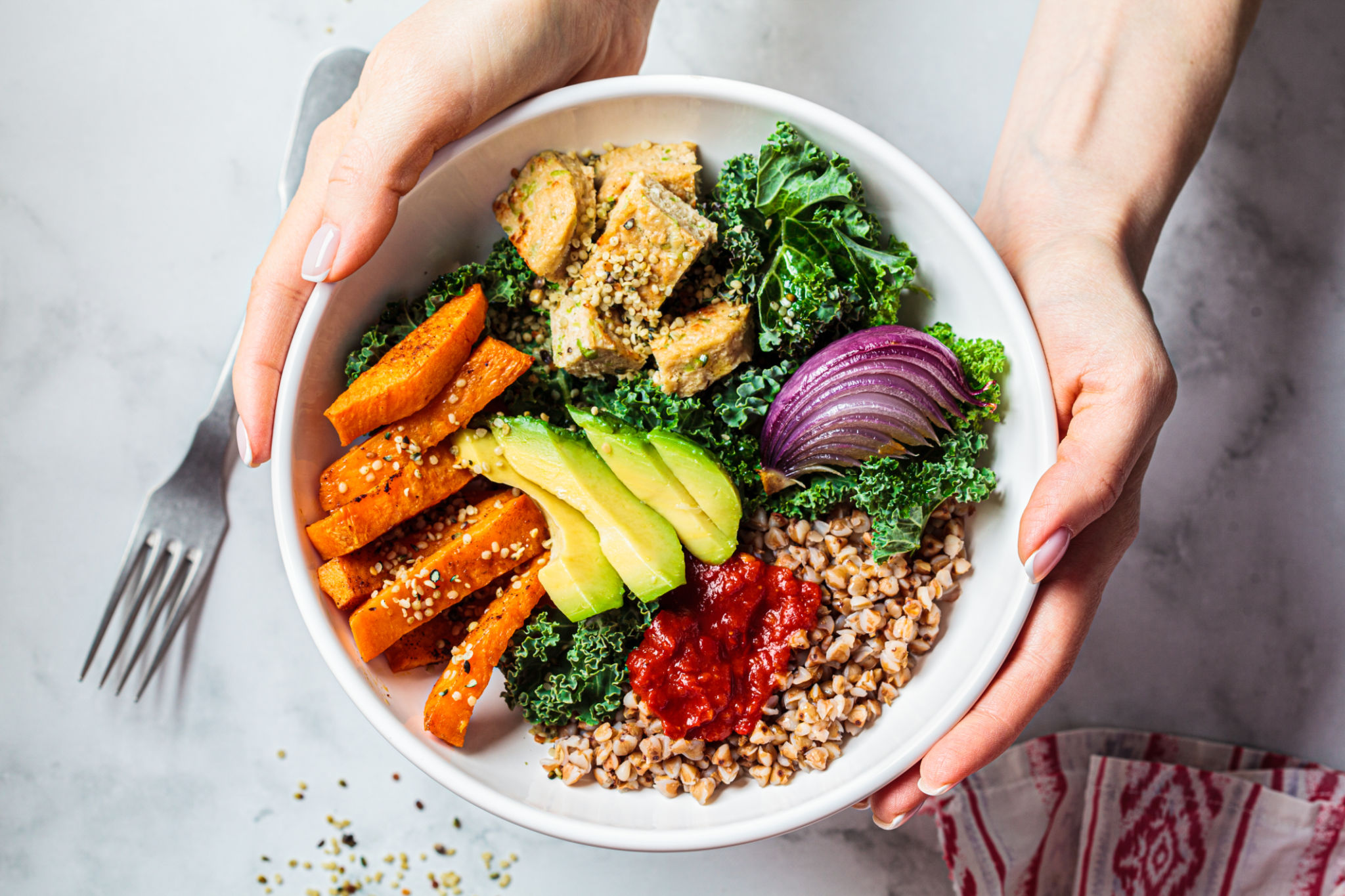
By making these small adjustments, you can easily boost your bioactive peptide intake and support your overall health.
The Future of Bioactive Peptides
Research on bioactive peptides is ongoing, and scientists are continually discovering new benefits and applications. As our understanding of these powerful compounds grows, so does their potential to revolutionize health and wellness. From functional foods to dietary supplements, bioactive peptides are poised to become a key component of modern nutrition.
Incorporating bioactive peptides into your lifestyle offers a proactive approach to health, allowing you to harness their potential and enhance your well-being naturally.