The Power of Mindfulness: Calm Your Mind with Nutrition


The Connection Between Mindfulness and Nutrition
Mindfulness, a practice rooted in ancient traditions, focuses on being present in the moment. When combined with nutrition, it becomes a powerful tool to enhance overall well-being. By paying attention to what we eat, we can cultivate a more profound sense of awareness, leading to improved mental and physical health.
Mindful eating involves savoring each bite, acknowledging the flavors and textures, and listening to our body's hunger and fullness cues. This practice can help reduce overeating and promote healthier food choices, ultimately calming the mind and nourishing the body.
Nutritional Choices for a Calmer Mind
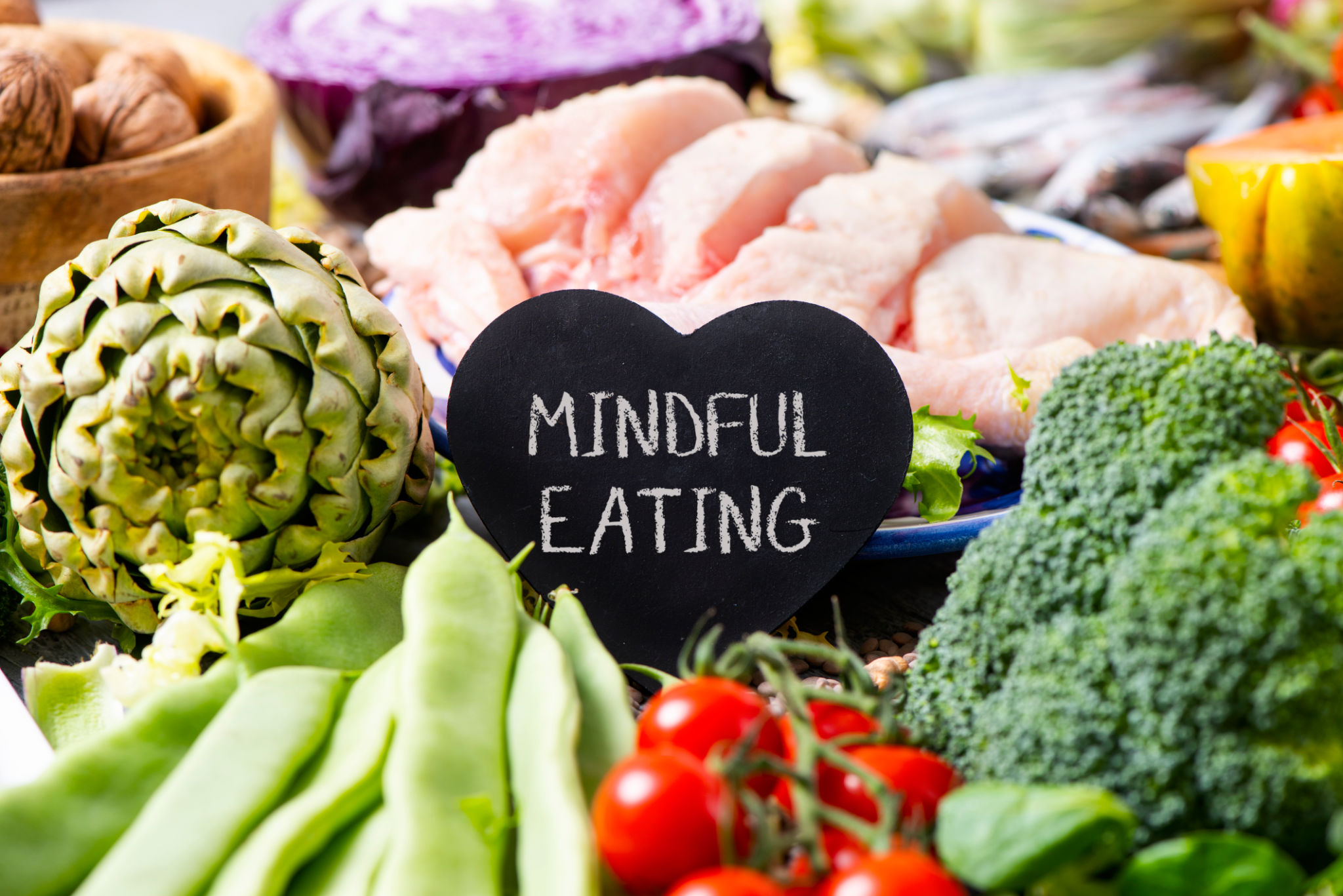
Certain foods can have a significant impact on our mental state. Incorporating foods rich in omega-3 fatty acids, antioxidants, and vitamins can support brain health and reduce anxiety. Examples include fatty fish, berries, nuts, and leafy greens.
Omega-3 fatty acids, found in salmon and walnuts, are known to support brain function and may even alleviate symptoms of depression. Antioxidants, abundant in berries, help combat oxidative stress, which can negatively affect mental health.

Creating a Mindful Eating Environment
To effectively practice mindful eating, it's crucial to create a conducive environment. Start by eliminating distractions such as TV or smartphones during meals. Focus on the sensory experience of eating, from the aroma of the food to the sound of the crunch.
Setting a specific time for meals and choosing a quiet, comfortable place can enhance the mindfulness experience. This allows individuals to connect with their food and recognize the signals their body sends, promoting a sense of calm and satisfaction.

Benefits of Mindful Nutrition
Engaging in mindful nutrition can lead to numerous benefits, including improved digestion, weight management, and a greater appreciation of food. By slowing down and being present, individuals can enjoy their meals more and develop a healthier relationship with food.
Moreover, mindful eating encourages a balanced diet, leading to better energy levels and mood. This approach helps break the cycle of emotional eating, allowing people to address their feelings without relying on food as a coping mechanism.
Practical Tips for Mindful Eating
Here are some practical tips to incorporate mindfulness into your eating habits:
- Take deep breaths before starting a meal to center yourself.
- Chew each bite thoroughly to fully experience the flavors.
- Pay attention to hunger and fullness signals, eating only when truly hungry.
These simple practices can transform the way you relate to food, providing both pleasure and nourishment.

Conclusion: Embrace Mindful Nutrition
Combining mindfulness with nutrition offers a holistic approach to well-being. By being present and intentional with our food choices, we can foster a healthier mind and body. Start by integrating small changes into your daily routine, and experience the profound impact of mindful nutrition.